24-Hour Emergency
Call Us Urgent 24/7
+974 4499 2444C Ring Road, Building 325, New Salata 21377, Doha, Qatar
C Ring Road, Building 325, New Salata 21377, Doha, Qatar

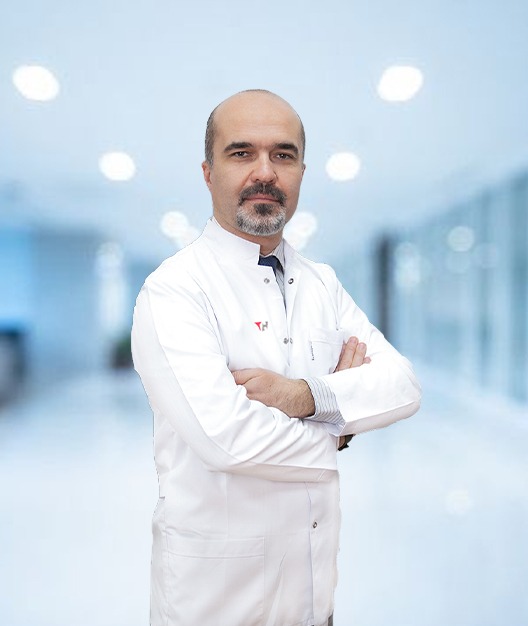
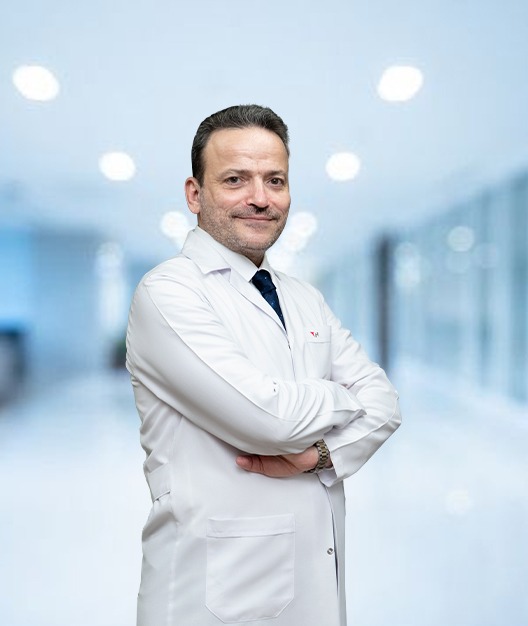
The Cardiology Department at Turkish Hospital in Doha, Qatar provides outpatient, inpatient, diagnostic, interventional, and emergency care for a broad range of heart and cardiovascular conditions. Patients seeking experienced Cardiology Specialists can consult Dr. Mehmet Vedat Caldir, Consultant in Cardiology, and Dr. Halit Aluzum, Medical Director and Consultant in Cardiology, for assessment and treatment based on their individual symptoms and clinical findings.
Our Cardiology Care in Doha includes ECG, several forms of echocardiography, exercise stress testing, Holter monitoring, ambulatory blood pressure monitoring, cardiac CT assessment, cardiac catheterization, angioplasty, and management of selected acute cardiac emergencies.
Experiencing new or ongoing heart symptoms? Book an appointment with one of Turkish Hospital’s Cardiology Specialists in Doha.
You may need to see a Cardiology Specialist if you have symptoms that could be related to the heart, heart rhythm, blood pressure, coronary arteries, valves, or circulation.
These symptoms do not always mean that cardiovascular disease is present. A cardiologist can review your symptoms, medical history, and examination findings and determine whether further testing is appropriate.
Severe or sudden chest pain, significant difficulty breathing, collapse, or rapidly worsening cardiovascular symptoms require urgent medical assessment rather than waiting for a routine appointment.
Turkish Hospital’s Cardiology Department states that emergency admissions involving heart attack, acute heart failure, pulmonary edema, and newly developed rhythm disturbances can be managed around the clock. The hospital separately confirms that its Emergency Department operates 24/7.
Turkish Hospital provides Cardiology Care in Doha for conditions affecting blood pressure, cholesterol, coronary arteries, heart muscle, valves, rhythm, aorta, and the membrane surrounding the heart.
The type of treatment recommended depends on the patient’s symptoms, diagnosis, severity of the condition, test results, and overall clinical status.
Hypertension is persistently elevated blood pressure, while hyperlipidemia refers to elevated levels of fats such as cholesterol in the blood. Both are included within Turkish Hospital’s outpatient Cardiology service.
A cardiology assessment may be appropriate when blood pressure remains difficult to control, cholesterol-related cardiovascular risk requires specialist review, or these conditions occur alongside other heart-related symptoms.
Coronary artery disease affects the arteries that supply blood to the heart muscle. Turkish Hospital provides diagnostic and interventional procedures used in the assessment and treatment of selected coronary conditions.
Symptoms such as chest pressure or discomfort, breathlessness during activity, or an unexplained decline in exercise tolerance may warrant cardiovascular assessment.
New or severe chest symptoms should be assessed urgently.
Heart failure occurs when the heart cannot pump blood as effectively as the body requires. Turkish Hospital provides outpatient assessment for heart failure and emergency management for acute heart failure.
These symptoms can also have causes unrelated to heart failure, so clinical assessment is required.
Sudden severe breathing difficulty or rapidly worsening symptoms should receive urgent medical assessment.
Pulmonary edema is a buildup of fluid in the lungs and may occur in association with serious cardiovascular problems.
Turkish Hospital lists acute pulmonary edema among the conditions managed during emergency Cardiology admissions.
Severe or suddenly worsening breathing difficulty should be treated as an emergency.
Heart rhythm disorders, also called arrhythmias, occur when the heart beats too quickly, too slowly, or irregularly.
Turkish Hospital provides several diagnostic and treatment options relevant to cardiac rhythm assessment, including:
Consider an assessment for:
Because rhythm disturbances may come and go, longer-term monitoring such as a Holter ECG may sometimes be useful.
Valvular heart disease affects one or more of the valves that control blood flow through the heart.
Turkish Hospital includes valvular heart disease within its outpatient Cardiology scope and provides several forms of echocardiography that can help cardiologists examine heart structure and valve function.
Assessment may be appropriate for unexplained breathlessness, reduced exercise tolerance, palpitations, or a previously diagnosed valve problem requiring monitoring.
Cardiomyopathy refers to diseases affecting the heart muscle.
Turkish Hospital includes cardiomyopathies among the conditions evaluated and managed through its outpatient Cardiology service.
Patients with a known cardiomyopathy or symptoms that may indicate impaired heart function can be assessed to determine which investigations and follow-up are appropriate.
The Cardiology Department also evaluates selected diseases involving the aorta and the pericardium, the sac surrounding the heart.
The department’s current clinical scope includes:
Diagnostic testing is selected according to the suspected condition and individual clinical findings.
Turkish Hospital provides cardiovascular diagnostic tests that help its Cardiology Specialists assess heart rhythm, structure, function, blood pressure, and coronary artery disease.
An electrocardiogram records the electrical activity of the heart.
An ECG can provide information about heart rate and rhythm and may form part of the assessment for symptoms such as palpitations, chest discomfort, or suspected rhythm abnormalities.
Transthoracic echocardiography uses ultrasound to assess the structure and movement of the heart.
It can help the cardiologist examine:
Doppler echocardiography evaluates blood movement through the heart and its valves.
This can provide additional information when assessing selected structural or valvular conditions.
Contrast echocardiography uses an ultrasound contrast agent when additional visualization of selected cardiac structures is required.
The cardiologist determines whether it is appropriate for a particular patient.
Transesophageal echocardiography, or TEE, obtains detailed ultrasound views of the heart from the esophagus.
It is used only when the cardiologist determines that this approach is clinically appropriate.
A treadmill exercise stress test evaluates how the cardiovascular system responds during controlled physical exertion.
Not every patient is suitable for exercise testing, so the decision is based on symptoms, medical history, and clinical assessment.
A Holter monitor continuously records heart rhythm over an extended period while the patient continues normal daily activities.
It may help detect intermittent rhythm disturbances that are not present during a brief ECG.
Ambulatory blood pressure monitoring measures blood pressure repeatedly over an extended period outside a single clinic reading.
It can provide a broader picture of blood pressure patterns during normal daily life.
Coronary artery calcium scoring uses computed tomography to assess calcified plaque in the coronary arteries.
Whether this test is appropriate depends on the patient’s individual cardiovascular assessment.
Coronary CT angiography uses computed tomography to create detailed images of the coronary arteries.
The cardiologist determines when this investigation is clinically appropriate.
Interventional cardiology uses catheter-based procedures to diagnose or treat selected cardiovascular problems without conventional open-heart surgery.
Cardiac catheterization is a procedure in which a catheter is introduced into the cardiovascular system to obtain diagnostic information and, in selected cases, support treatment.
Turkish Hospital lists cardiac catheterization among its inpatient Cardiology services.
Coronary angioplasty is a catheter-based procedure used to treat selected narrowed or blocked coronary arteries.
Turkish Hospital specifically lists primary angioplasty within its Cardiology service.
A temporary transvenous pacemaker provides temporary electrical support when a patient’s heart rhythm requires it.
The need for temporary pacing is determined according to the patient’s rhythm and clinical condition.
Cardioversion is used to treat selected abnormal heart rhythms with the aim of restoring an appropriate rhythm.
Turkish Hospital provides both:
Pericardiocentesis is a procedure used to remove fluid from the space surrounding the heart when clinically necessary.
The procedure is performed only after appropriate clinical evaluation.
Turkish Hospital’s Cardiology service includes inpatient care and a four-bed intensive care unit for patients requiring closer cardiovascular monitoring or treatment.
The department’s inpatient capabilities include:
This allows the department to provide a continuum of care from outpatient assessment to inpatient or intensive monitoring when medically necessary.
Turkish Hospital provides outpatient Cardiology consultation and evaluation for patients who require diagnosis, treatment, or follow-up without hospital admission.
The department currently has two outpatient consultation rooms on the ground floor.
Outpatient assessment includes conditions such as:
The current Turkish Hospital Cardiology page does not state that pediatric cardiology is provided by this department.
Turkish Hospital does have a dedicated Pediatrics Department. If a child has a heart-related concern, families should contact the hospital to determine whether assessment should begin with Pediatrics or another appropriate service.
This avoids incorrectly presenting the adult Cardiology department as a pediatric Cardiology service.
Heart symptoms can affect breathing, physical activity, sleep, confidence, and everyday quality of life. Getting the right assessment can help determine whether a concern involves blood pressure, heart rhythm, coronary arteries, heart function, valves, or another cardiovascular cause.
If you are looking for Cardiology Specialists or need Cardiology Care in Doha, book an appointment with Dr. Mehmet Vedat Caldir or Dr. Halit Aluzum at Turkish Hospital for individualized cardiovascular assessment and care.
Our team is here to help you schedule an appointment or answer your questions.
Most Clinics
Saturday–Thursday
8:00 AM–9:00 PM
Please note that operating hours may vary by department and doctor availability.
Extended Hours
• Obstetrics & Gynecology
8:00 AM–12:00 Midnight
• Dental Clinic
Saturday – Thursday
8:00 AM–12:00 Midnight
Friday
02:00 PM–10:00 PM
24/7 Services
• Pediatrics : Open 24/7
• Emergency Department : Open 24/7
Beauty Clinic: 10:00 AM–6:00 PM

We always support in emergencies, contact us immediately if you are experiencing any serious health problems.
Support mail: info@turkishhospitals.com