Hijama (Cupping Therapy)

Discover Hijama and Cupping Therapy at Turkish Hospital in Qatar. Explore Dry, wet & Personalized Hajama options tailored to your needs and wellness goals. Get expert guidance and book your appointment today!

Call Us when you Need Help!
24/7 Support: +974 4499 2444

Hijama & Cupping Therapy in Doha, Qatar

Traditional Cupping Therapy with Personalized Medical Attention at Turkish Hospital

Hijama, also known as Cupping Therapy, is a traditional practice that uses specially designed cups to create gentle suction on selected areas of the skin. It is commonly considered as a complementary approach to wellness and symptom management, rather than a replacement for conventional medical treatment.

At Turkish Hospital in Doha, Qatar, our Hijama department offers dry and wet cupping services with an emphasis on individualized assessment, patient comfort, hygiene and informed treatment decisions.

Whether you are considering cupping for the first time or have previously experienced Hijama, our team can help you understand the available techniques, precautions and what to expect.

Book an Appointment Online

What Is Hijama (Cupping Therapy)?

Hijama is a traditional cupping practice that creates suction against the skin using specially designed cups. The suction gently draws the skin upward and causes temporary changes in the superficial tissues and small blood vessels.

Cupping has been practiced for generations in Middle Eastern and other traditional healthcare systems.

There are two commonly used techniques:

  • Dry Hijama: Cups create suction without piercing or cutting the skin.
  • Wet Hijama: Suction is combined with small, superficial skin incisions to release a limited amount of blood.

The choice of technique depends on individual health considerations, patient preferences and professional assessment.

Hijama is classified as a complementary therapy. Although some studies suggest possible short-term pain relief, the overall evidence remains limited, and treatment results cannot be guaranteed.

Our Services

Our department provides:

  • Wet Cupping (Hijama): A traditional cupping technique involving controlled suction and superficial skin incisions, performed under appropriate medical and infection-control protocols.
  • Dry Cupping: A non-invasive technique that uses suction cups on selected areas of the body without making incisions.
  • Personalized Patient Assessment: An individual assessment to determine whether cupping therapy is appropriate, taking into consideration each patient’s medical history, health status, and individual needs.
  • Professional Guidance: Clear instructions and recommendations before and after the procedure to help patients understand the process, possible risks, and necessary precautions.

Dry Hijama

Dry Hijama is a non-invasive form of cupping that involves placing suction cups on selected areas of the body without making incisions.

The technique creates controlled suction against the skin, producing a pulling or tightening sensation.

Some people choose dry cupping as a complementary approach when experiencing muscle tension or discomfort. However, scientific research has not established consistent benefits, and individual responses vary.

What to expect from Dry Hijama:

  • No skin incisions are required.
  • Cups are placed on areas selected following assessment.
  • Temporary circular skin marks may develop.
  • Mild tenderness can occur after treatment.
  • The practitioner adjusts the approach according to individual suitability.

Dry cupping may be discussed with patients who prefer an approach that does not involve intentional blood removal.

Wet Hijama

Wet Hijama combines cupping suction with controlled, superficial skin incisions that allow a small amount of blood to be collected.

Because this technique breaks the skin, infection prevention, careful patient assessment and appropriate aftercare are particularly important.

Wet cupping involves additional risks compared with dry cupping, including bleeding, infection and possible scarring.

What to expect from wet Hijama:

  • A consultation to review suitability and precautions.
  • Preparation of the selected treatment area.
  • Application of suction cups.
  • Superficial skin incisions as part of the wet cupping technique.
  • Collection and safe disposal of blood and used materials.
  • Cleaning, dressing and aftercare instructions.

Wet Hijama should be performed only by an appropriately licensed and trained practitioner in a suitable clinical setting.

Dry Hijama vs. Wet Hijama: What’s the Difference?

Feature

Dry Hijama

Wet Hijama

Technique

Suction applied to intact skin

Suction combined with superficial skin incisions

Skin incisions

No

Yes

Intentional blood removal

No

Yes

Invasiveness

Non-invasive

Minimally invasive

Possible effects

Temporary marks, tenderness and irritation

Temporary marks, tenderness, bleeding and wound-related effects

Infection considerations

Equipment hygiene and skin condition

Sterile instruments, blood safety and wound care are especially important

Suitability

Requires individual assessment

Requires additional assessment of bleeding and infection risks

Neither technique is automatically better for everyone. A qualified practitioner should explain the differences, limitations and risks before proceeding.

Our Commitment to Patient Care

At Turkish Hospital, patient safety, comfort, and well-being are central to our approach.

Our Hijama services are provided by qualified healthcare professionals who follow established infection prevention and control protocols.

We pay special attention to:
  • Individual patient assessment and suitability for treatment.
  • Strict hygiene and infection-control standards.
  • Appropriate use of sterile, single-use instruments and equipment.
  • Patient privacy, comfort, and confidentiality.
  • Clear pre-procedure instructions and post-procedure care.
  • Appropriate follow-up when required.

What Are the Potential Benefits of Hijama Therapy?

Hijama therapy is traditionally used for wellness and is sometimes sought by people experiencing muscle discomfort, tension or pain.

Some individuals report feeling more relaxed or experiencing temporary symptom relief following cupping treatment.

However, patients should understand the difference between personal experiences and scientifically established outcomes.

Potential Effects Patients May Notice

Temporary relief from discomfort

Some people experience short-term changes in pain or muscle tension after cupping. Research findings remain inconsistent, and improvement is not guaranteed.

A sensation of relaxation

Some patients describe a sense of relaxation after a session. This is a subjective experience and may vary considerably.

Local skin and tissue responses

Suction temporarily affects the skin and superficial blood vessels. These effects explain the circular marks commonly associated with cupping but do not establish that the procedure treats underlying diseases.

Book an Appointment for Hijama at Turkish Hospital Qatar

If you are considering Hijama or Cupping Therapy in Doha, the Turkish Hospital team can help you understand the available services and arrange an appropriate consultation.

Discuss dry and wet cupping, ask questions about potential risks and aftercare, and understand how this complementary therapy may fit into your existing care plan. Book an appointment online to discuss whether Hijama is suitable for you.

Important Medical Notice

Cupping therapy may not be suitable for everyone. A medical assessment is recommended before undergoing treatment.

Hijama is a complementary therapy and should not replace necessary medical diagnosis, prescribed medications, or evidence-based medical treatment.

Potential risks include bruising, skin irritation, bleeding, and infection. Patients should discuss their medical conditions and medications with a qualified healthcare professional before treatment.

Frequently Asked Questions About Hijama and Cupping Therapy
Is Hijama the Same as Cupping Therapy?
Hijama is commonly used to describe cupping therapy, particularly traditional cupping practices in Middle Eastern cultures. Cupping involves applying suction cups to the skin, while wet Hijama also includes superficial skin incisions. The terms may be used differently depending on the practitioner and clinical setting.
What Is Dry Hijama?
Dry Hijama is a cupping technique that uses suction without intentionally breaking the skin or drawing blood. It may leave temporary circular marks and cause mild tenderness. A practitioner should assess whether the procedure is suitable before treatment.
What Is the Difference Between Dry Hijama and Wet Hijama?
The main difference is that dry cupping uses suction alone, while wet cupping combines suction with superficial skin incisions and blood removal. Wet cupping involves additional infection-control and bleeding considerations. Neither technique is universally appropriate for every patient.
Are the Circular Marks After Hijama Normal?
Yes. Temporary circular marks are a common result of suction against the skin. They generally fade with time, although the degree of discoloration varies. Increasing pain, swelling, discharge or other unusual symptoms should be assessed.
Can Hijama Replace Medical Treatment?
No. Hijama is a complementary therapy and should not replace a medical diagnosis, prescribed treatment or evidence-based care. Its potential benefits remain uncertain for many health conditions.

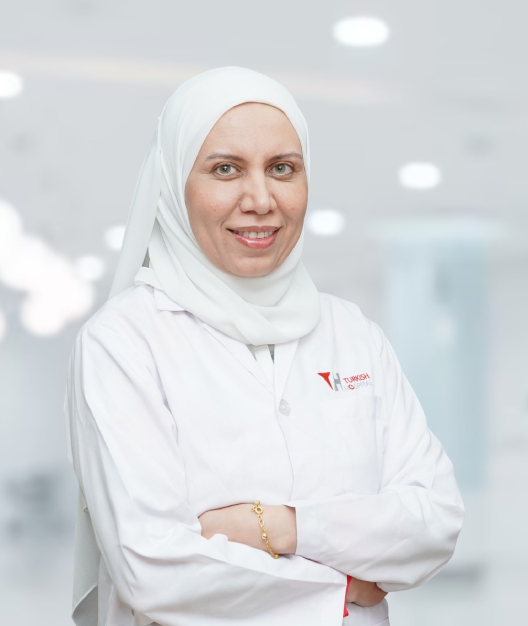
Physicians:

Dr. Amany Awadallah | Consultant in Laboratory Medicine & Clinical Pathology

Dr. Amany Awadallah

Consultant in Laboratory Medicine/Clinical Pathology and Hijama (Cupping)

Dr. Mohammad Al Malki | Turkish Hospital

Dr. Mohammad Al Malki

Senior Consultant in Oral Surgery and Dental Cosmetics & Hijama (Cupping)

Need Medical Assistance?

Our team is here to help you schedule an appointment or answer your questions.

Mail Us: info@turkishhospitals.com
Call Us : +974 449 92 444
Working Time

Most Clinics
Saturday–Thursday
8:00 AM–9:00 PM

Please note that operating hours may vary by department and doctor availability.

Extended Hours

• Obstetrics & Gynecology
8:00 AM–12:00 Midnight

• Dental Clinic
Saturday – Thursday 
8:00 AM–12:00 Midnight
Friday
02:00 PM–10:00 PM

24/7 Services
• Pediatrics : Open 24/7
• Emergency Department : Open 24/7

Beauty Clinic: 10:00 AM–6:00 PM

x

We always support in emergencies, contact us immediately if you are experiencing any serious health problems.

Contact Us

Emergency 24h: +974 4499 2444