24-Hour Emergency
Call Us Urgent 24/7
+974 4499 2444C Ring Road, Building 325, New Salata 21377, Doha, Qatar
C Ring Road, Building 325, New Salata 21377, Doha, Qatar

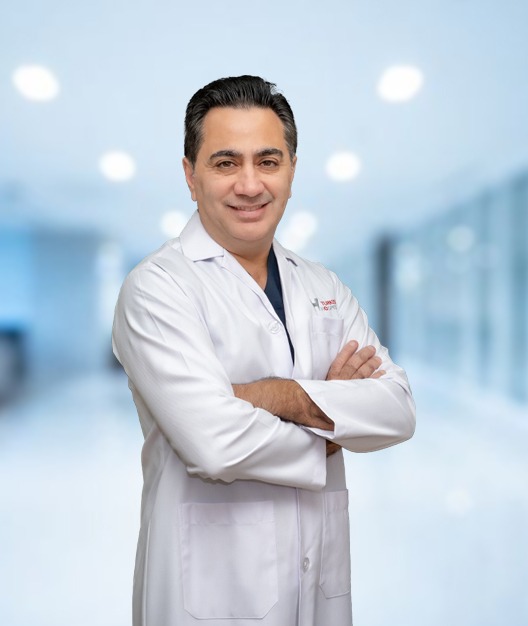
The General Surgeons at Turkish Hospital in Doha, Qatar provide consultation, surgical assessment, and treatment for conditions involving the gastrointestinal tract, breast, endocrine system, colon, rectum, liver, pancreas, abdominal wall, and selected emergency surgical conditions. Patients are cared for by Dr. Siva Sankar, General Surgeon, and Dr. Guray Sarp, Consultant in General Surgery, with treatment planned according to the diagnosis, severity of the condition, and individual clinical needs. Turkish Hospital currently lists both physicians within its General Surgery Department.
The department provides both conventional surgical care and laparoscopic surgery for selected conditions, including gallbladder disease, reflux, inguinal hernia, and appendicitis. The service also covers breast and thyroid-related surgical conditions, anorectal diseases, pilonidal sinus, gastrointestinal disease, liver conditions, abdominal hernias, and trauma or emergency surgical assessment.
Need a surgical assessment? Book an appointment with one of Turkish Hospital’s General Surgeons in Doha.
A General Surgeon should be consulted when a condition may require surgical evaluation or when symptoms suggest a problem involving the abdomen, digestive tract, breast, thyroid, hernia, gallbladder, or anorectal region.
These symptoms can have many causes and do not automatically mean surgery is necessary. The surgeon first determines the diagnosis and whether surgical or non-surgical management is appropriate.
Severe abdominal pain, rapidly worsening swelling, significant bleeding, serious injury, or other sudden surgical symptoms may require emergency assessment rather than a routine appointment.
Turkish Hospital’s current General Surgery page states that the department supports trauma and emergency surgical care. The hospital separately confirms that its Emergency Department operates 24/7.
Turkish Hospital’s General Surgeons evaluate and surgically manage selected conditions involving the digestive system, breast, endocrine system, anorectal region, abdominal wall, liver, pancreas, and other areas within General Surgery.
Treatment is individualized according to the diagnosis and clinical findings.
Laparoscopic surgery is a minimally invasive surgical technique that allows a surgeon to examine and operate inside the abdomen through small incisions using a laparoscope a thin instrument containing a camera and light.
The camera sends images to a video monitor, allowing the surgeon to see the surgical area while operating with specialized instruments.
These benefits vary by procedure and patient. Not every condition can or should be treated laparoscopically.
Laparoscopic surgery is commonly used to treat selected gallbladder conditions, including gallstones when surgery is clinically indicated.
Turkish Hospital’s existing General Surgery service specifically lists laparoscopic treatment for gallbladder stones.
A surgical consultation may be appropriate if you have diagnosed gallstones or recurring upper abdominal symptoms and another physician has recommended gallbladder evaluation.
Sudden severe abdominal pain, fever, persistent vomiting, or rapidly worsening symptoms should receive prompt medical assessment.
A hernia occurs when tissue or an organ pushes through a weakened area of the surrounding muscle or abdominal wall. Turkish Hospital’s surgical scope includes inguinal, umbilical, and other abdominal hernias.
The department’s current content specifically identifies laparoscopic surgery as an option for selected inguinal hernia cases.
Consider seeing a surgeon if you notice:
A suddenly painful hernia, particularly when accompanied by vomiting or an inability to reduce the swelling, requires urgent medical attention.
Appendicitis is inflammation of the appendix and can require urgent surgical treatment. Turkish Hospital lists laparoscopic surgery among the techniques used for appendicitis.
Possible symptoms can include worsening abdominal pain, particularly when associated with nausea, vomiting, fever, or loss of appetite.
Because appendicitis can progress, suspected cases should not wait for a routine appointment.
Turkish Hospital’s General Surgery page also identifies reflux among conditions for which laparoscopic surgery may be used in selected patients.
Not everyone with reflux requires surgery. Surgical evaluation is generally considered only after assessment of the cause, severity, response to other treatment, and individual clinical circumstances.
General Surgeons can be involved in the surgical treatment of selected endocrine conditions, and Turkish Hospital specifically lists goiter among its General Surgery services.
A goiter is an enlargement of the thyroid gland. Whether surgery is appropriate depends on the cause, size, symptoms, test results, and specialist assessment.
Turkish Hospital’s Surgeons Specialists evaluate and treat anorectal conditions including hemorrhoids, anal fissures, anal fistulas, and other selected anal diseases.
These conditions may cause pain, bleeding, itching, swelling, discharge, or discomfort during bowel movements.
Hemorrhoids are swollen blood vessels around the anus or lower rectum.
Arrange assessment for persistent:
Rectal bleeding should not automatically be assumed to be caused by hemorrhoids, so evaluation is important.
An anal fissure is a small tear in the lining of the anal canal.
It can cause sharp pain during or after bowel movements and may also cause small amounts of bleeding.
Persistent symptoms may require surgical assessment.
An anal fistula is an abnormal passage between the anal canal and nearby skin.
Symptoms can include persistent drainage, recurrent swelling, discomfort, or repeated infection around the anal area.
A surgeon can assess whether operative treatment is needed.
A pilonidal sinus is a small tract or cavity that develops in the skin near the cleft of the buttocks and may become inflamed or infected.
Turkish Hospital includes pilonidal sinus within its General Surgery scope.
General Surgery at Turkish Hospital includes conditions involving the stomach, intestines, colon, rectum, and other parts of the gastrointestinal tract.
The current department description also includes surgical care involving the pancreas and gastrointestinal cancers.
Patients are commonly referred to a surgeon after investigation has identified a condition that may require operative treatment.
Symptoms such as persistent abdominal pain, unexplained gastrointestinal bleeding, bowel changes, or another concerning digestive symptom should first receive appropriate medical assessment to determine the cause.
Turkish Hospital’s current General Surgery description includes the liver and pancreas within the anatomical areas managed by General Surgeons.
Because liver and pancreatic diseases cover a wide range of conditions, surgical treatment is only appropriate for selected diagnoses.
Patients are usually referred for surgical evaluation after appropriate clinical and diagnostic assessment.
General Surgery can play an important role when an injury or acute abdominal condition requires urgent surgical evaluation.
Turkish Hospital’s existing General Surgery page states that trauma and emergency surgical services are supported by specialist physicians, diagnostic facilities, and operating theatres.
For urgent symptoms, patients should access the hospital through its 24/7 Emergency Department, where the appropriate surgical team can be involved when clinically required.
A General Surgery consultation is used to determine what is causing the problem, whether an operation is necessary, and which surgical approach is appropriate.
Your consultation may include:
If you have previous scans, laboratory results, medical reports, or a medication list, bring them to your appointment.
Having surgery can be stressful, especially when the diagnosis or treatment plan is not yet clear. A specialist surgical consultation can help you understand the cause of your symptoms, whether an operation is required, and which treatment approach may be appropriate.
If you are looking for General Surgeons or experienced Surgeons Specialists at Turkish Hospital, book an appointment with Dr. Siva Sankar or Dr. Guray Sarp for an individualized surgical assessment in Doha, Qatar.
Our team is here to help you schedule an appointment or answer your questions.
Most Clinics
Saturday–Thursday
8:00 AM–9:00 PM
Please note that operating hours may vary by department and doctor availability.
Extended Hours
• Obstetrics & Gynecology
8:00 AM–12:00 Midnight
• Dental Clinic
Saturday – Thursday
8:00 AM–12:00 Midnight
Friday
02:00 PM–10:00 PM
24/7 Services
• Pediatrics : Open 24/7
• Emergency Department : Open 24/7
Beauty Clinic: 10:00 AM–6:00 PM

We always support in emergencies, contact us immediately if you are experiencing any serious health problems.
Support mail: info@turkishhospitals.com