24-Hour Emergency
Call Us Urgent 24/7
+974 4499 2444C Ring Road, Building 325, New Salata 21377, Doha, Qatar
C Ring Road, Building 325, New Salata 21377, Doha, Qatar

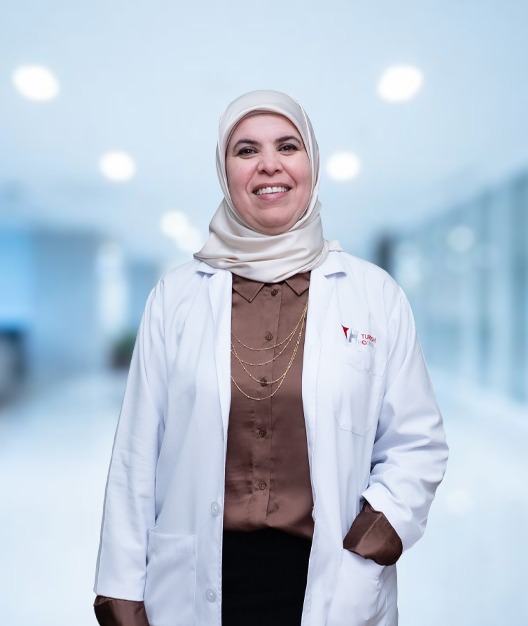
At Turkish Hospital, our Dietetics Clinic provides personalized nutrition assessment, medical nutrition therapy, dietary counseling, and nutrition support for patients with a wide range of medical and nutritional needs. Led by Dr. Aysha Saqer, Clinical Dietitian, our Nutrition Clinic supports both inpatients and outpatients, working closely with physicians and other healthcare professionals to integrate nutrition into the patient’s overall treatment plan.
Care is tailored to each patient’s medical history, dietary habits, nutritional status, body composition, lifestyle, and treatment goals. Services range from healthy eating and weight management to nutritional care for diabetes, kidney disease, heart conditions, gastrointestinal disorders, cancer, malnutrition, swallowing difficulties, and patients requiring specialized nutrition support.
Need help managing your diet, weight, or a medical condition through nutrition? Book an appointment with our Dietetics & Nutrition Clinic in Doha.
A Dietetics Clinic can help when food and nutrition affect a medical condition, recovery, body weight, digestive health, nutritional status, or everyday well-being.
Nutrition requirements can vary significantly between patients, particularly when a medical condition is present. An individualized assessment helps ensure that dietary recommendations are appropriate to your health needs.
Medical nutrition therapy uses individualized nutritional assessment and dietary intervention to support the management of specific health conditions.
A nutrition assessment helps identify whether a patient is receiving the right amount and balance of nutrients for their health, recovery, and medical condition.
The resulting nutrition plan is designed to be practical, medically appropriate, and adapted to the patient’s circumstances.
Nutrition is an important part of managing many acute and chronic health conditions, particularly when diet affects blood sugar, blood pressure, cholesterol, kidney function, digestion, body weight, or nutritional status.
Our clinical nutrition services cover a broad range of conditions.
Medical nutrition therapy can help people with diabetes manage food choices, meal patterns, carbohydrate intake, and overall nutritional balance as part of their wider diabetes care plan.
Nutrition counseling can support patients with diabetes in developing eating habits suited to their medical needs while considering lifestyle, medications, and individual goals.
Nutrition should complement, not replace, medical diabetes treatment.
Dietary changes can form part of the management of high cholesterol, high triglycerides, coronary artery disease, and other cardiovascular risk factors.
Our Nutrition Clinic provides dietary counseling for:
The best dietitian can help patients understand which dietary habits may support their broader cardiovascular treatment plan.
Nutrition can play an important role in blood-pressure management alongside prescribed medical care.
Dietary counseling may include reviewing:
Recommendations are individualized according to the patient’s health and medical treatment.
Kidney disease can significantly change nutritional requirements, particularly for patients with advanced chronic kidney disease or receiving dialysis.
A renal nutrition plan may need to consider factors such as nutrient intake, fluid balance, treatment type, laboratory findings, and other health conditions.
Because requirements differ by stage of kidney disease, patients should avoid following a restrictive “kidney diet” without professional guidance.
Digestive disorders can affect food tolerance, nutrient absorption, appetite, bowel habits, and overall nutritional status.
The goal is to avoid unnecessary restriction while addressing nutritional needs appropriately.
Liver disease can affect how the body processes and stores nutrients, and some patients may require specialized dietary management.
Our clinical nutrition services include medical nutrition therapy for liver disease, including liver cirrhosis.
The nutrition plan depends on the patient’s medical status, appetite, body composition, and treatment needs.
Cancer and its treatment can affect appetite, food intake, weight, muscle strength, swallowing, digestion, and nutritional requirements.
Our clinical dietitian provides nutrition assessment and support for patients with cancer, including colorectal cancer, when nutritional intervention is required.
Nutrition plans are adapted according to the patient’s treatment and individual tolerance.
Malnutrition can occur when the body does not receive or absorb enough energy, protein, or other nutrients to meet its needs.
It may affect patients who are critically ill, recovering from surgery, living with chronic disease, experiencing poor appetite, or having difficulty eating or absorbing nutrients.
Early nutrition assessment can help determine whether changes to food intake or additional nutritional support are needed.
Some patients cannot meet their nutritional needs through normal food intake alone and may require specialized nutrition support.
Depending on the clinical situation, nutrition support may include:
Oral supplements may be recommended when normal meals do not provide enough nutrition to meet a patient’s needs.
They should form part of an individualized nutrition plan rather than being selected solely on the basis of advertising or general advice.
Enteral nutrition delivers nutrients through a feeding tube when the gastrointestinal tract can be used but normal eating is not sufficient or possible.
The best dietitian works with the medical team to determine the appropriate nutritional requirements.
Parenteral nutrition provides nutrients intravenously when the digestive system cannot be used adequately for nutrition.
This form of nutritional support requires careful clinical monitoring and multidisciplinary management.
Swallowing difficulties, also known as dysphagia, can make eating and drinking unsafe or reduce a patient’s ability to meet nutritional needs.
Our dietitian works alongside Speech Therapy where appropriate to support patients experiencing swallowing difficulties.
This collaborative approach helps balance swallowing safety with adequate nutrition.
Healthy weight management should be individualized and based on health, body composition, medical history, lifestyle, and sustainable dietary habits rather than short-term restrictive diets.
A professional nutrition assessment may be useful if:
The aim is to develop realistic eating habits that can be maintained over time.
Diet can influence some of the factors associated with gout and may form part of an overall treatment plan.
Medical nutrition therapy for gout focuses on practical dietary changes suited to the patient’s medical condition rather than unnecessary elimination of large groups of foods.
Nutrition plays a role in maintaining bone health and can form part of the wider management of osteoporosis.
A best dietitian can assess eating patterns and nutritional intake as part of an individualized plan alongside the patient’s medical treatment.
Patients recovering from stroke may experience changes in appetite, mobility, swallowing, food intake, or nutritional status.
Nutrition support can be coordinated with other members of the healthcare team, particularly where swallowing difficulties or malnutrition are present.
Eating disorders are complex health conditions that require coordinated care rather than dietary advice alone.
Our Dietetics service can contribute nutritional assessment and dietary support as part of a multidisciplinary treatment plan where appropriate.
Sports nutrition helps active individuals align food and fluid intake with training demands, performance goals, recovery, and overall health.
Our Nutrition Clinic also provides dietary support for individuals seeking guidance around physical activity and sports.
Advice is personalized to the individual rather than based on a standard athlete diet.
You do not need to have a medical condition to benefit from professional nutrition advice.
A dietitian can help translate nutrition information into practical habits that fit a patient’s daily routine and health goals.
Our Clinical Dietetics team supports hospitalized patients when illness, surgery, poor appetite, or another medical condition affects nutritional requirements.
The best dietitian works with physicians, nursing teams, and other healthcare professionals to:
This helps integrate nutrition into the patient’s overall medical treatment and recovery.
Hospital meals should meet both nutritional needs and medical dietary requirements.
Our dietitians work with Turkish Hospital’s Food Services team to support the development and delivery of therapeutic diets for patients with different medical conditions and dietary restrictions.
This coordination helps ensure that inpatient meals are appropriate to the patient’s clinical nutrition plan.
Nutrition often forms one part of a wider medical treatment plan, particularly for patients managing chronic disease, recovering from surgery, or receiving complex care.
Our best dietitian works alongside other Turkish Hospital professionals when a multidisciplinary approach is required.
This coordinated approach allows nutrition recommendations to reflect the patient’s broader treatment plan.
Your first consultation focuses on understanding your health, eating habits, nutritional status, lifestyle, and individual goals before a personalized plan is created.
Your appointment may include:
If available, bring relevant medical reports, recent laboratory results, a medication list, and information about dietary supplements you currently use.
Nutrition can influence energy, body weight, recovery, blood sugar, cardiovascular health, digestive comfort, and the management of many long-term conditions. The right nutrition plan should be practical, evidence-based, and adapted to the patient’s medical and personal needs.
If you are looking for a Dietetics Clinic or Nutrition Clinic in Doha, book an appointment with Dr. Aysha Saqer, Clinical Dietitian, at Turkish Hospital for an individualized nutritional assessment and care plan.
Our team is here to help you schedule an appointment or answer your questions.
Most Clinics
Saturday–Thursday
8:00 AM–9:00 PM
Please note that operating hours may vary by department and doctor availability.
Extended Hours
• Obstetrics & Gynecology
8:00 AM–12:00 Midnight
• Dental Clinic
Saturday – Thursday
8:00 AM–12:00 Midnight
Friday
02:00 PM–10:00 PM
24/7 Services
• Pediatrics : Open 24/7
• Emergency Department : Open 24/7
Beauty Clinic: 10:00 AM–6:00 PM

We always support in emergencies, contact us immediately if you are experiencing any serious health problems.
Support mail: info@turkishhospitals.com