24-Hour Emergency
Call Us Urgent 24/7
+974 4499 2444C Ring Road, Building 325, New Salata 21377, Doha, Qatar
C Ring Road, Building 325, New Salata 21377, Doha, Qatar

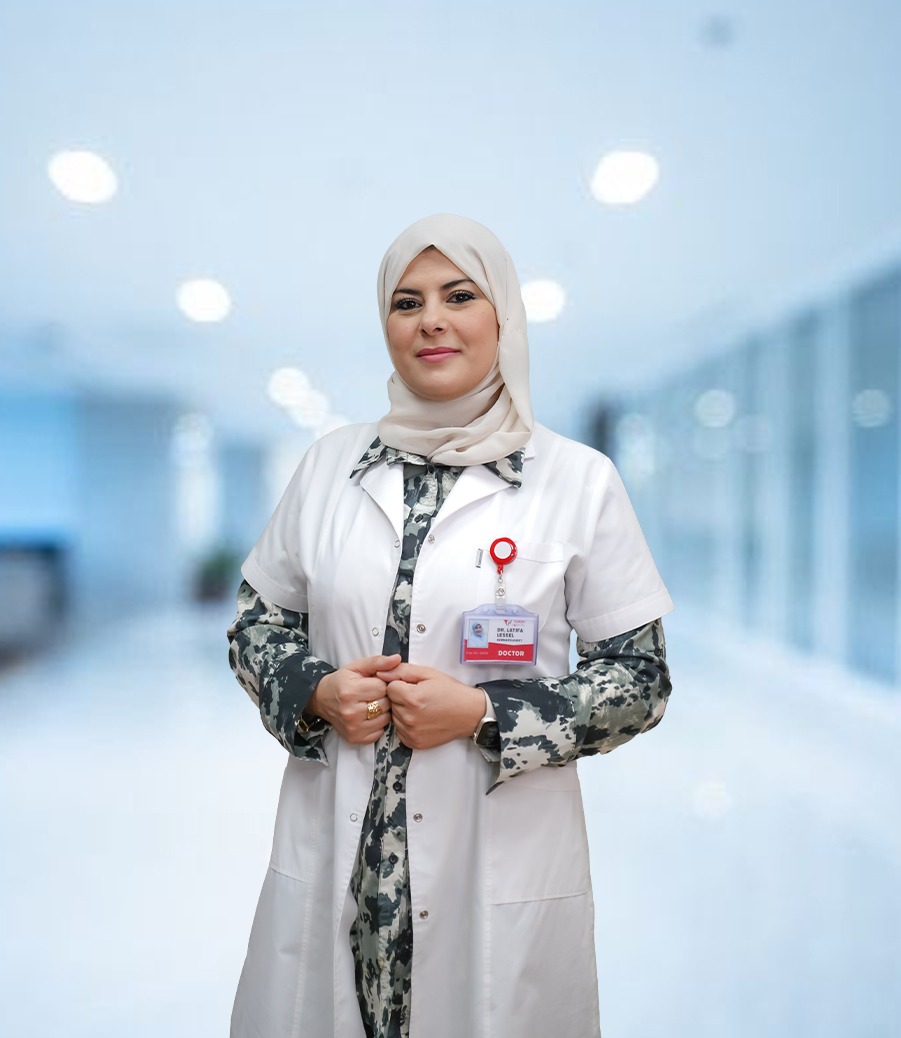
Turkish Hospital provides diagnosis and treatment for conditions affecting the skin, hair, and nails, together with selected medical, laser, and cosmetic dermatology procedures. Care is provided by Dr. Latifa Lessel, Consultant in Dermatology, whose clinical background covers medical, clinical, laser, and aesthetic dermatology.
Our Dermatology Treatment services include care for acne, eczema, psoriasis, fungal and parasitic infections, hair loss, nail disorders, allergic skin conditions, selected sexually transmitted infections, skin lesions, moles, and skin cancers, as well as laser and cosmetic procedures. Turkish Hospital’s published scope also includes selected dermatological conditions affecting babies and children.
Concerned about a persistent rash, acne, hair loss, nail changes, or a new skin lesion? Book an appointment with Dr. Latifa Lessel at Turkish Hospital in Doha.
A dermatology assessment may be appropriate when a skin, hair, or nail problem persists, repeatedly returns, causes discomfort, or changes unexpectedly.
Skin conditions can look similar even when their causes are different. A dermatologist can examine the affected area and determine which Dermatology Treatment is appropriate.
Seek prompt medical attention for severe or rapidly spreading skin reactions, extensive blistering, a rash associated with significant illness, or swelling that affects breathing or swallowing.
A routine dermatology appointment should not replace emergency care for a severe allergic or rapidly worsening medical reaction.
Medical dermatology focuses on diagnosing and treating diseases affecting the skin, scalp, hair, nails, and related tissues.
Treatment is selected according to the diagnosis rather than treating every rash or skin change in the same way.
Acne is a common inflammatory skin condition that can range from occasional spots to persistent inflammatory lesions and scarring.
Turkish Hospital’s dermatology scope includes:
The appropriate approach depends on the type and severity of acne and the patient’s skin.
Psoriasis and eczema are different inflammatory skin conditions that can cause redness, itching, scaling, irritation, or recurring skin changes.
Both are included within Turkish Hospital’s Dermatology service scope.
An accurate diagnosis is particularly important because several skin disorders can resemble eczema or psoriasis.
Allergic and hypersensitivity-related skin conditions can cause itching, redness, swelling, hives, or other inflammatory reactions.
The department also evaluates possible causes where clinically appropriate.
Urticaria, commonly called hives, causes raised, itchy skin welts that may appear suddenly and change location.
A dermatology consultation may help identify possible triggers and determine an appropriate treatment approach when symptoms recur.
Sudden hives associated with breathing difficulty or significant facial or throat swelling require emergency medical attention.
Contact dermatitis occurs when the skin becomes irritated or develops an allergic reaction after contact with a particular substance.
Possible triggers can include cosmetics, personal-care products, metals, or other materials.
Assessment can help distinguish allergic contact dermatitis from other forms of skin irritation.
Turkish Hospital’s published Dermatology scope includes selected childhood skin conditions, including atopic eczema in babies and children and other childhood-related skin diseases.
Children can experience many of the same skin problems as adults, but symptoms, examination, and treatment may need to be adapted for age.
Turkish Hospital also has a dedicated Pediatrics Department, which can be internally linked where broader pediatric assessment is needed.
Fungal infections can affect different areas of the skin and may cause itching, scaling, redness, cracking, or changes in the affected tissue.
Turkish Hospital’s Dermatology service includes diagnosis, treatment, and preventive guidance for fungal conditions affecting areas such as:
Seek assessment when a suspected fungal infection:
Correct diagnosis matters because eczema, psoriasis, and other skin conditions can sometimes resemble fungal infections.
Hair loss can have different causes, so treatment should begin by identifying the likely reason rather than choosing a standard hair-loss treatment for everyone.
Consider an appointment for:
A dermatologist can assess whether the problem appears to involve the scalp, hair shaft, hair follicle, or another underlying factor.
Nail changes may be caused by fungal infection, trauma, inflammation, or other medical conditions.
Turkish Hospital’s published scope includes treatment of:
Seek an assessment for:
Because nail disorders can have different causes, antifungal treatment should not automatically be used without an appropriate diagnosis.
Some dermatological diseases can affect the lining of the mouth as well as the skin.
Turkish Hospital’s existing service content lists assessment or treatment related to:
Because oral symptoms can also fall under other medical or dental specialties, the appropriate care pathway depends on the diagnosis.
A new or changing skin lesion should be evaluated when there is concern about its appearance, behavior, or diagnosis.
Turkish Hospital currently lists skin cancers, biopsy procedures, removal of selected early-stage skin tumors, and removal of nevi or moles within its Dermatology scope.
Consider dermatology assessment for:
Not every mole requires removal. The dermatologist should first determine whether observation, biopsy, removal, or another approach is appropriate.
A skin biopsy involves removing a small sample of tissue for examination when further diagnostic information is required.
Turkish Hospital lists biopsy among its Dermatology procedures.
The decision to perform a biopsy depends on the appearance of the lesion and the dermatologist’s assessment.
Turkish Hospital’s current service scope also includes Dermatology Treatment for selected:
Because these categories cover very different diseases, diagnosis and treatment should be individualized.
Cosmetic dermatology uses medical and minimally invasive techniques to address selected concerns involving skin appearance, pigmentation, wrinkles, and excessive sweating.
Turkish Hospital’s current Dermatology services include:
Dr. Latifa Lessel’s official profile also documents training in cosmetic dermatology, laser therapy, botulinum toxin, fillers, and advanced skin-rejuvenation techniques.
Excessive sweating, or hyperhidrosis, can affect daily comfort, clothing choices, social situations, and confidence.
Turkish Hospital lists medication-based treatment and botulinum toxin treatment among its current options for excessive sweating.
The most appropriate approach depends on the affected area and clinical assessment.
Skin, hair, and nail conditions can affect physical comfort, sleep, daily activities, and confidence. Getting the correct diagnosis is an important first step because similar-looking symptoms can require very different treatments.
If you need Dermatology Treatment, book an appointment with Dr. Latifa Lessel, Consultant in Dermatology, at Turkish Hospital in Doha, Qatar for an individualized assessment and treatment plan.
Our team is here to help you schedule an appointment or answer your questions.
Most Clinics
Saturday–Thursday
8:00 AM–9:00 PM
Please note that operating hours may vary by department and doctor availability.
Extended Hours
• Obstetrics & Gynecology
8:00 AM–12:00 Midnight
• Dental Clinic
Saturday – Thursday
8:00 AM–12:00 Midnight
Friday
02:00 PM–10:00 PM
24/7 Services
• Pediatrics : Open 24/7
• Emergency Department : Open 24/7
Beauty Clinic: 10:00 AM–6:00 PM

We always support in emergencies, contact us immediately if you are experiencing any serious health problems.
Support mail: info@turkishhospitals.com